



Afghanistan society is profoundly shaped by patriarchal power structures and deeply entrenched social norms that have historically restricted women’s lives across all areas. Access to education, employment, freedom of expression, and participation in public life have never been guaranteed for Afghan women. These rights have always been claimed through struggle, resistance, and personal sacrifice. This struggle is neither temporary nor limited to a single generation; it is woven into Afghanistan’s contemporary history and the daily experiences of millions of women across the country.
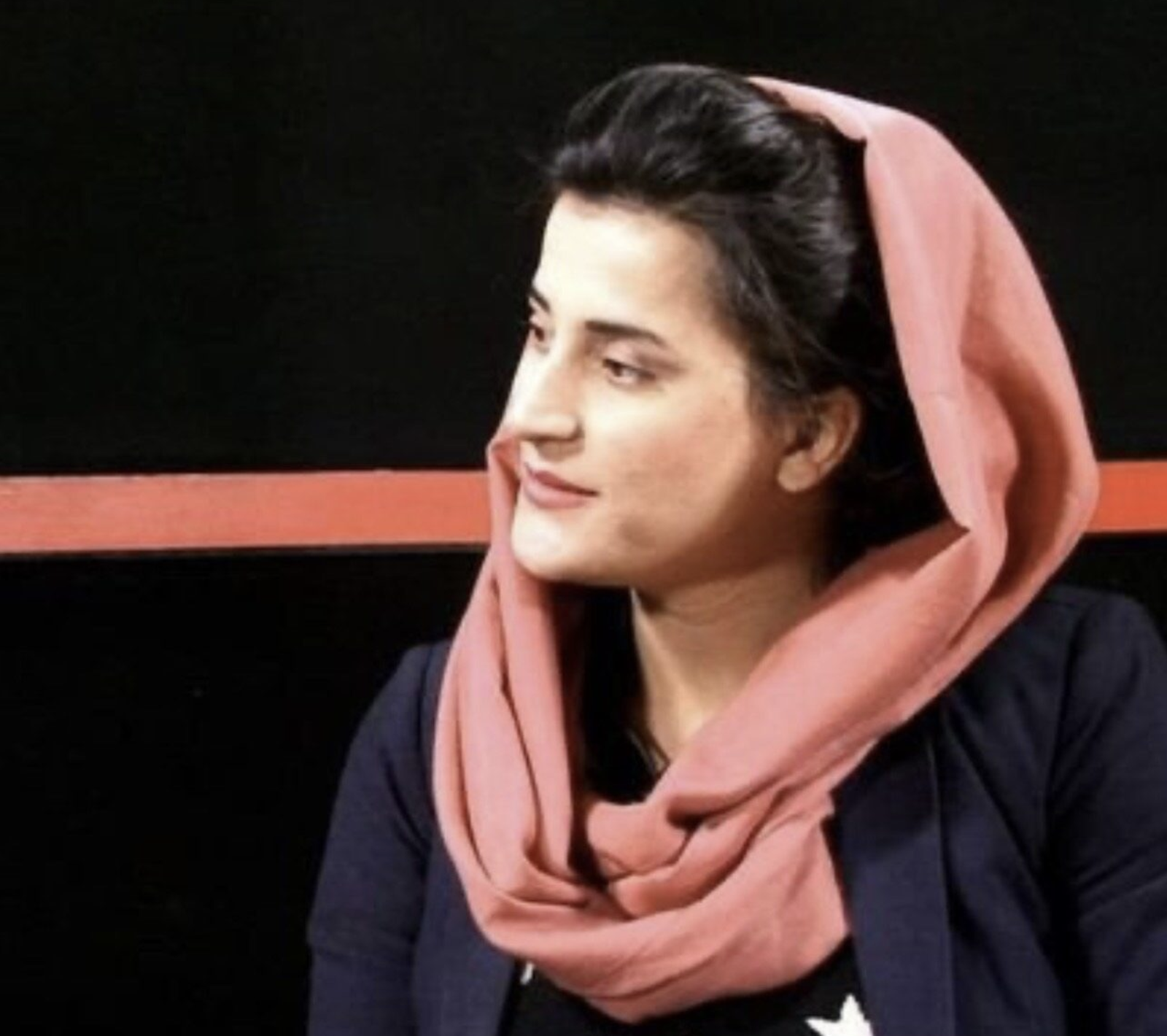
By Shogofa Sediqi – Journalist[1]
I was born and raised within this reality, and my personal experiences reflect the collective realities of Afghan women who, despite systemic discrimination, political violence, and social exclusion, have continuously asserted their dignity and agency. This narrative is not merely personal; it represents a broader testimony of women who chose education, awareness, and active social engagement as instruments of survival and social change.
Journalism to preserve women’s stories
In 2015, I graduated from the Faculty of Journalism at Kabul University. At that time, women were becoming increasingly visible in public spaces, and the prospect of equality—though fragile—appeared possible. For me, journalism was not simply a career: it was a means to document reality, break the silence, and amplify the voices of women in society.
After graduation, I began working as a visual reporter. Entering the media sector as a young woman in a conservative and patriarchal society involved constant negotiation with social norms, security threats, and gendered expectations. I faced skepticism, harassment, and social pressures aimed at limiting women’s presence in public life. Nevertheless, my commitment to women’s rights and social justice provided clear guidance for my professional path. In 2017, I joined Zan TV, a women-led media outlet dedicated to documenting and amplifying Afghan women’s voices.
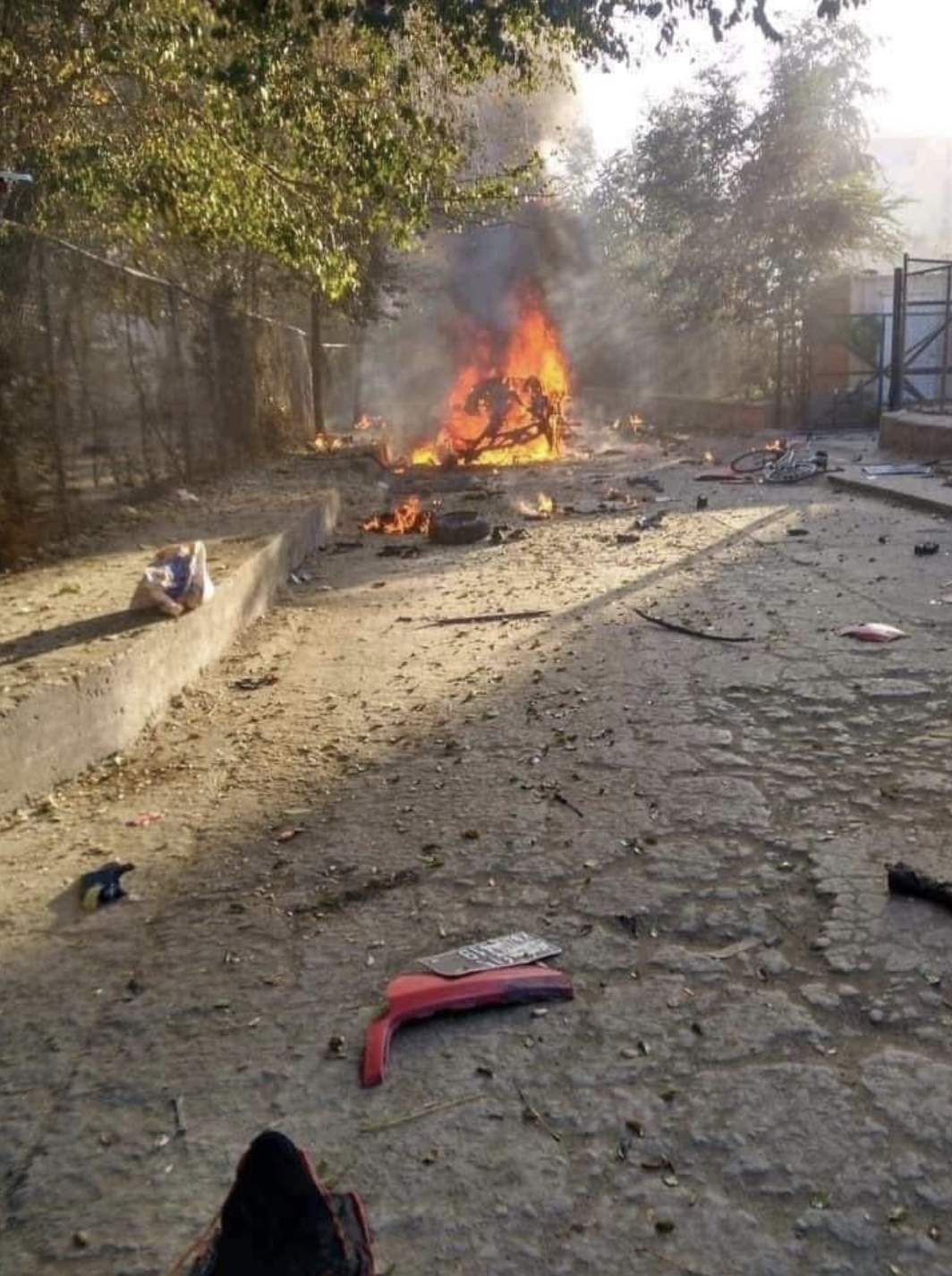
At Zan TV, my responsibilities included field reporting, producing analytical programs, managing news teams, and documenting the lived experiences of women across Afghanistan. Every assignment required navigating security risks, political pressure, and cultural resistance. Reporting on girls’ education, women’s labour, domestic violence, and women-led protests often involved direct threats and intimidation. Each report was more than news; it was an act of ethical responsibility and resistance, preserving the narratives of women who might otherwise be erased.
Until the fall of Kabul in August 2021, my work at Zan TV represented one of the most defining chapters of my professional life. Journalism was a tool to protect women’s rights and ensure their presence in society. Media allowed us to document stories that those in power sought to erase and to preserve the voices of women who demanded to be heard.
The turning point in the status of Afghan women between defeat and the return of the Taliban
The two decades following the first fall of the Taliban regime witnessed meaningful, though uneven, progress for Afghan women. Millions of girls returned to school. Thousands of women graduated in medicine, law, engineering, education, and media. Women entered the workforce, civil society, and governmental institutions. These achievements were the result of women’s persistent struggle, not political generosity.
During this period, I advanced professionally, taking on roles as reporter, deputy news director, news director, and eventually head of Zan TV. This progression was shaped by constant risk and pressure, yet sustained by the belief in the power of media to hold authorities accountable and defend women’s rights.
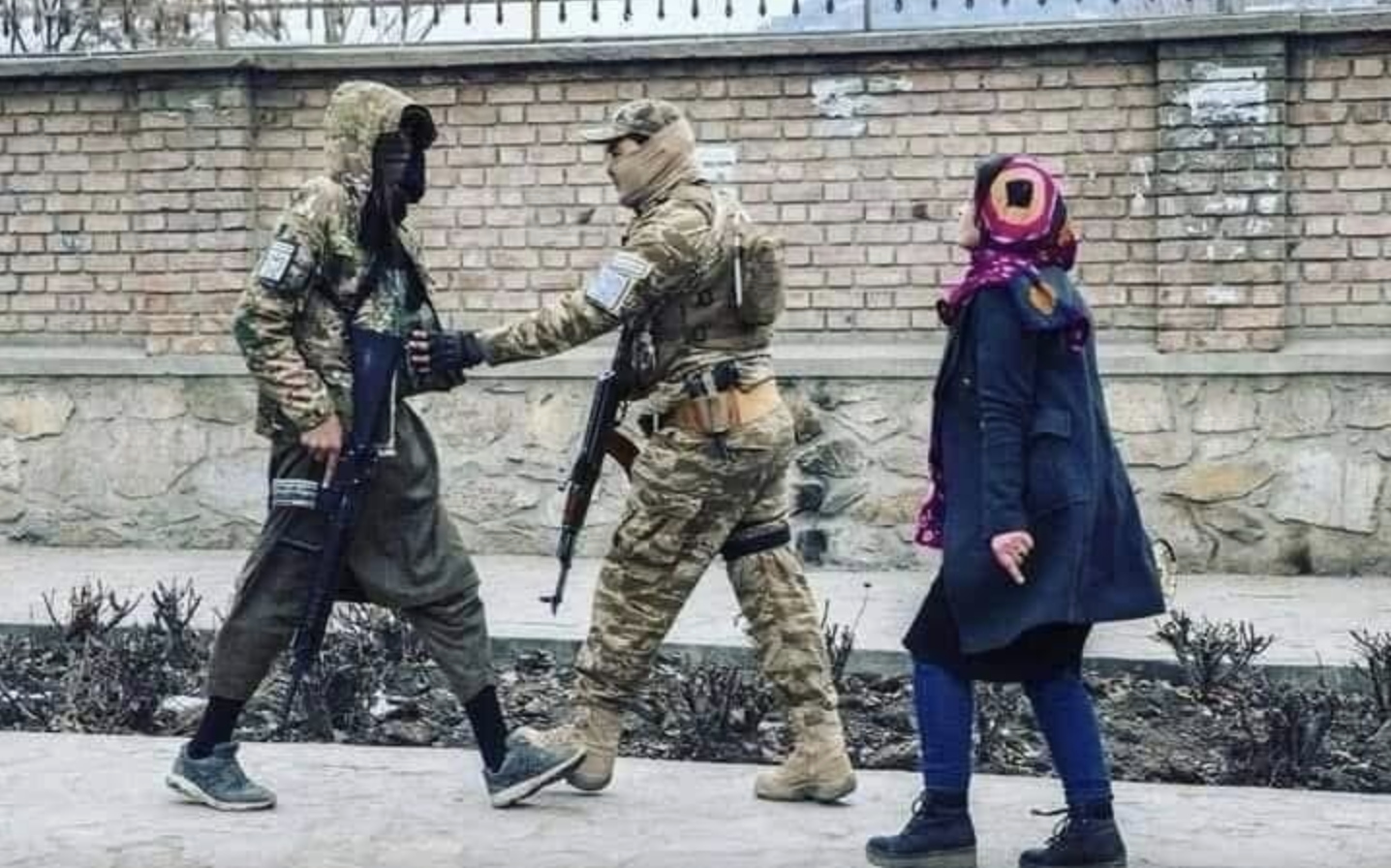
The fall of Kabul in 2021 marked a devastating rupture. The Taliban’s return led to the systematic dismantling of women’s rights: schools and universities were closed to girls, women were barred from employment, media freedoms collapsed, and women were erased from public life. Decades of progress were undone within months.
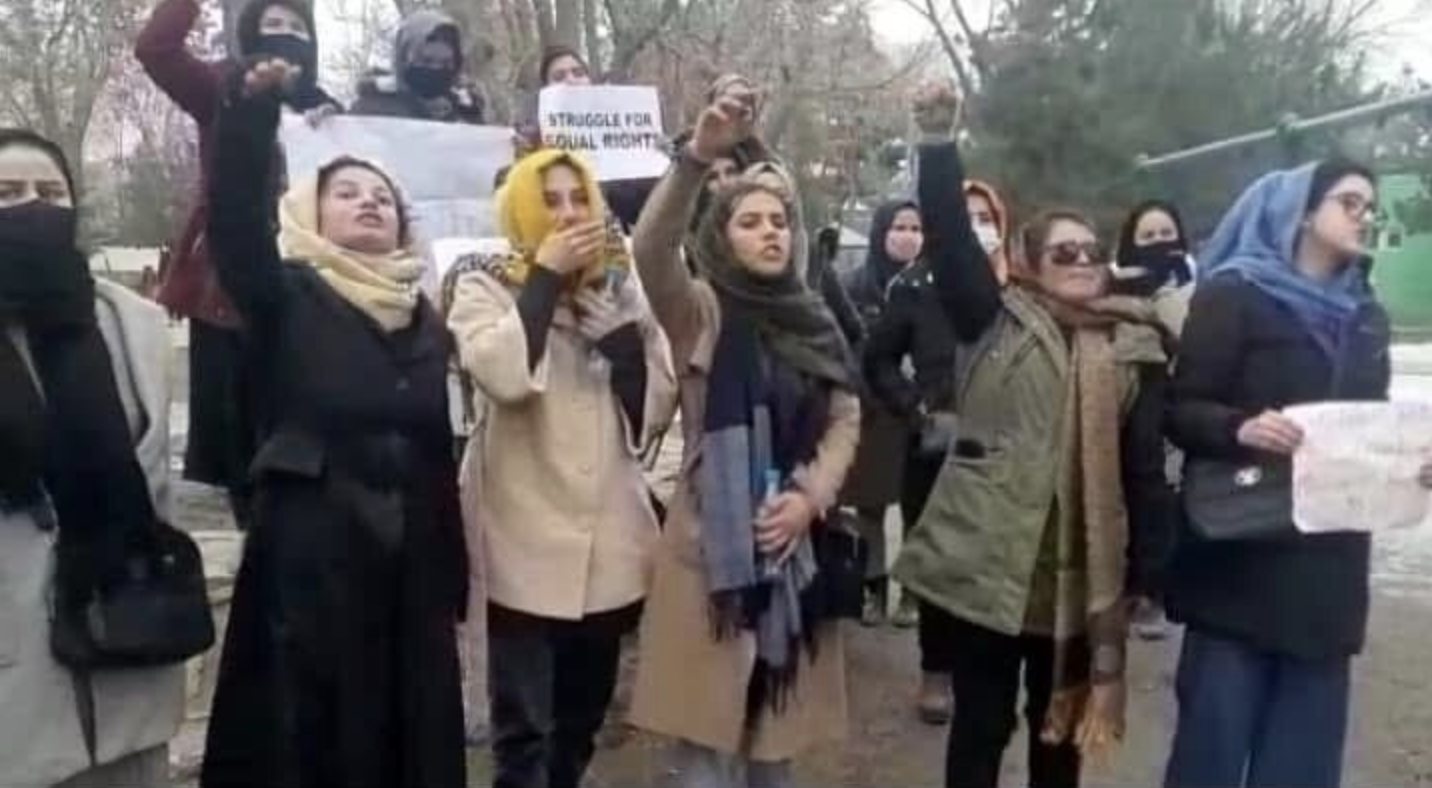
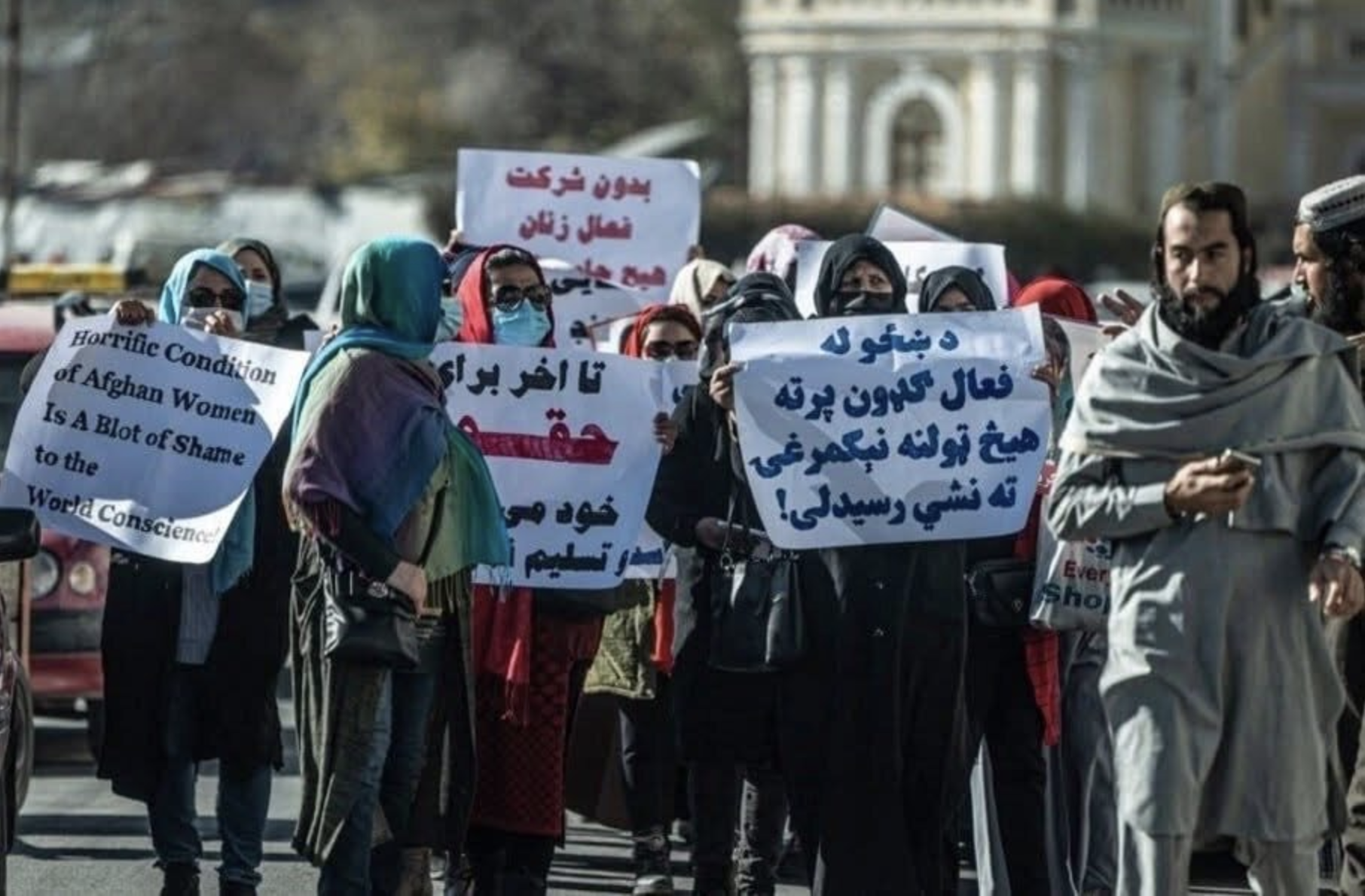
Yet Afghan women responded with extraordinary courage. Under the slogan “Education, Work, Freedom,” women organized peaceful protests demanding their basic rights. These demonstrations reflected political awareness and the resilience of Afghan women but were met with violence, arrests, and forced silence. Global responses were largely symbolic, offering statements rather than effective protection.
The exclusion of women from education, work, and public expression constitutes a clear violation of international human rights law, including the Universal Declaration of Human Rights, the Convention on the Elimination of All Forms of Discrimination Against Women (CEDAW), and the Convention on the Rights of the Child. Despite international commitments to gender equality, Afghan women remain without meaningful protection or accountability mechanisms.
The decline of hope and women’s unwavering commitment
One of the most devastating consequences of this repression is the loss of hope among girls. Education, a fundamental right and a pathway to independence, has been denied. Economic pressures and early or forced marriages have intensified, deepening cycles of poverty and gender-based violence.
The silencing of women-led media has exacerbated this crisis. Women journalists face threats, censorship, and exile. When women’s voices disappear from public media, both violence and resistance become invisible.
Nevertheless, Afghan women continue to resist. Underground schools, home-based education, digital activism, and advocacy in exile demonstrate an unbroken commitment to change. Women in exile play a critical role in sustaining international attention and transnational solidarity.
For me and many other Afghan women, exile has become a new chapter of resistance and identity reconstruction. Despite being far from our homeland and facing new restrictions, exile has provided us with the opportunity to make our voices heard globally, expand women’s support networks, and continue advocating for the rights of Afghan women.
In this context, the documentary In the Room, produced by the National Film Board of Canada (NFB) and directed by Brishkay Ahmed, documents the lives of five Afghan women who are committed to ensuring that women’s voices are heard worldwide. I am one of the women featured in this film, and our story stands as a testament to the resilience and determination of Afghan women.
Today, Afghan women face one of the most severe gender-based crises in the world. Exclusion from education, employment, public life, and decision-making threatens an entire generation. Afghanistan’s experience shows that without women’s meaningful participation, peace, justice, and development are impossible.
This article is not only a reflection of my professional journey but a record of collective resistance. Afghan women are not passive victims—they are agents of change. Despite repression, their voices endure. I remain hopeful that one day Afghanistan will achieve inclusive peace, and Afghan women will reclaim their rights, dignity, and future.
[1]Shogofa Sediqi is an Afghan journalist and media professional born in Afghanistan. She began her professional career in 2015, working as a reporter for various Afghan media outlets. In 2017, she joined Zan TV (Women’s Television), a women-led media network dedicated to amplifying the voices of Afghan women. In 2019, Shogofa completed a one-year online journalism program at the University of Oslo in Norway. In 2020, she began a master’s degree in international relations. However, following the collapse of Afghanistan and the return to power of the Taliban, she was forced to leave the country due to war and security issues.
Les commentaires sont fermés.